


The First Filipino Footsteps in America

Updated: Feb 21
Thirty‑three years before the Mayflower reached Plymouth Rock, Filipinos had already set
foot on what is now U.S. soil. On October 18, 1587, the Spanish galleon Nuestra Señora de Buena Esperanza anchored at Morro Bay, California. This marked the first documented presence of Filipinos in continental North America.
The Landing at Morro Bay
The expedition was commanded by Pedro de Unamuno, who had sailed from Portuguese Macau as part of the Manila‑Acapulco galleon trade. His ship carried soldiers, priests, and at least eight Filipinos identified in the logs as “Yndios Luzones” — natives of Luzon.
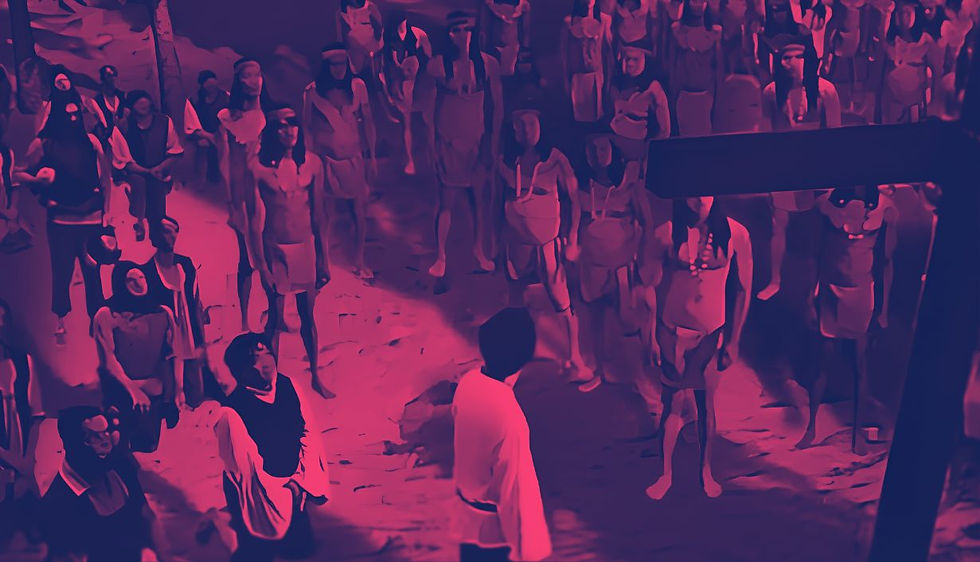
Two groups disembarked. The first was led by Unamuno himself, with twelve Spanish soldiers armed with arquebuses and armor. The second was led by Fr. Martín Ignacio de Loyola, a Franciscan missionary and nephew of the Jesuit founder Ignatius of Loyola. He carried a cross, accompanied by Filipino crewmen armed with swords and shields.
The landing party explored the unfamiliar terrain, erected a cross, and named the site Puerto de San Lucas. They encountered Native Americans, who fled at first contact. Over the next three days, the Filipinos often marched ahead of the soldiers, acting as scouts and the first to face danger.
Conflict and Loss
On October 19, eight Filipinos led an exploration party inland. The following day, tensions escalated when locals attempted to kidnap the ship’s barber. Violence broke out, resulting in the death of one Spanish soldier and one unnamed Filipino — struck by a javelin. He is believed to be the first Asian to shed blood on American soil.
Unamuno and his crew departed on October 21, continuing their voyage to Acapulco. Though brief, the landing underscored the role of Filipinos in Spain’s Pacific expansion.
Rediscovery Through Research
This episode might have remained forgotten if not for the work of Eloisa Gomez Borah, a librarian and trustee of the Filipino American National Historical Society (FANHS). In 1996, she published research in UCLA’s Amerasia Journal based on Unamuno’s logs. Borah noted that “Yndios” appeared 42 times in the records — 23 referring to California’s natives and 19 describing the Filipino crew.
Her scholarship reframed the narrative: Filipinos were not just anonymous laborers in the galleon trade, but active participants in exploration, present in California more than 430 years ago.
Legacy and Recognition
Today, this landing is commemorated in Morro Bay with a historical marker. Since 2009, California has celebrated October as Filipino American History Month, honoring the first Filipinos to set foot in the state in 1587.
This forgotten voyage reminds us that Filipinos were among the earliest Asians in North America, predating Plymouth Rock and Jamestown. Their presence highlights the global reach of the Manila‑Acapulco galleon trade and the deep, often overlooked ties between Filipino history and the early story of America.


Mình hay xem soi cầu XSMB với soi cầu MB mỗi ngày để kịp cập nhật trước giờ quay số, coi như thêm góc nhìn cho yên tâm. Ngoài việc đọc dự đoán XSMB, mình còn để ý thống kê lô gan và lô xiên để nhìn ra nhịp xuất hiện của vài bộ số quen. Thỉnh thoảng anh em trong nhóm cũng nhắc tới mấy công cụ như quay thử XSMB, Rồng Bạch Kim và dữ liệu lịch sử, vì dựa vào tần suất thực tế nên dễ soi lại cho rõ hơn. Mình cũng có ghé soicauxsmb.pro ở giữa quá trình tham khảo, chủ yếu để đối chiếu thêm chứ không kỳ vọng gì quá. Nói chung dự…
Mình chơi xổ số kiểu cho vui là chính, xem kết quả để giải trí chứ cũng không đặt nặng chuyện trúng đậm. Trước đây nghe người ta bàn về “cầu” với “dàn” đủ kiểu mình cũng nghi nghi, nhưng theo dõi một thời gian thì thỉnh thoảng thấy có vài chỗ lặp lại khiến mình chú ý. Mỗi lần đọc nhận định ở đâu đó, mình hay ghi lại vài ý ngắn rồi vài hôm sau đem ra so lại, coi thử có phải mình tự tưởng tượng không. Dạo gần đây rảnh thì mình lướt https://soicauxsmb.io/soi-cau-666.html để có thêm chuyện tán gẫu với bạn bè. Có bữa trúng chút thì vui, nhưng cũng nhiều hôm lệch hẳn nên…